


Navigating the Labyrinth: Avoiding Scams in Chat Work from Home Job Searches
The allure of working from home, setting your own hours, and engaging in stimulating conversations can be irresistible. The rise of remote work has also led to an explosion of chat work from home opportunities, offering a seemingly easy path to financial independence. However, this attractive landscape is unfortunately riddled with deceptive traps, making it imperative to approach these searches with a discerning eye. This guide provides essential strategies to help you avoid common scams and navigate the murky waters of legitimate chat work from home opportunities.
Understanding the Types of Chat Work Scams
Chat work from home scams typically fall into a few distinct categories. Recognizing these patterns is crucial in identifying red flags and protecting yourself:
1. The Fake Company Scam
In this scenario, the scammer creates a seemingly legitimate website and social media presence for a non-existent company. They advertise enticing positions with vague job descriptions and promise high earnings. The purpose is to collect personal information and potentially steal your identity.
2. The "Pay-to-Work" Scam
This scam preys on your eagerness to get started. The scammer demands a fee for training, "certification," or "equipment" to start the job. This is a telltale sign of a fraudulent scheme, as legitimate employers never charge candidates for the opportunity to work for them.
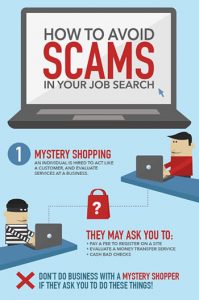
3. The "Mystery Shopper" Scam
While legitimate mystery shopping companies exist, many fraudulent operations disguise themselves as such. The scammer will ask you to purchase goods or services with your own money and then promise reimbursement. However, the reimbursement never arrives, and you lose your money.
4. The "Customer Service Representative" Scam
This scam involves a supposed customer service role, but the work primarily involves engaging in inappropriate or illegal activities, like selling fraudulent products, collecting personal information, or participating in online scams.
Spotting Red Flags: Avoiding the Traps
While no single indicator guarantees a scam, certain red flags should raise immediate suspicion:
1. Unrealistic Earnings Promises
Be wary of promises of exorbitant earnings for minimal effort, especially if no prior experience is required. Legitimate chat work jobs typically offer fair compensation that reflects the skills and time involved.
2. Vague Job Descriptions
If the job description is unclear or lacks specific information about the tasks involved, it could be a smokescreen. A legitimate job posting will clearly outline the responsibilities and expectations.
3. Lack of Company Information
If the company website is poorly designed, lacks contact information, or offers little information about its services, it could be a red flag. A legitimate company will have a professional online presence and be transparent about its operations.
4. Urgent Hiring Processes
Be cautious about job offers that demand immediate action or pressure you to make decisions quickly. Legitimate employers understand that hiring processes require due diligence and won't rush you.
5. Requests for Personal Information
Avoid providing sensitive personal information, such as your Social Security number, bank account details, or passport information, to a potential employer until you've thoroughly verified their legitimacy. Legitimate employers will only request information relevant to the job application.
6. Demands for Payment
Any request for money before you start the job, whether for training materials, equipment, or "certification," is a red flag. Legitimate employers never require candidates to pay to work for them.
7. Unprofessional Communication
Pay attention to the communication style of potential employers. Look for inconsistent email addresses, unprofessional language, grammatical errors, or a lack of responsiveness. A legitimate company will maintain professional communication channels and respond promptly to inquiries.
Protecting Yourself: Strategies for Safe Job Hunting
In addition to identifying red flags, proactively safeguarding yourself is essential:
1. Research Thoroughly
Before applying for any chat work from home job, conduct thorough research on the company. Look for reviews on websites like Glassdoor or Indeed, check the company's official website, and verify their legitimacy with the Better Business Bureau.
2. Verify the Company's Address and Contact Information
Ensure the company's address and contact information are readily available and appear legitimate. Use a reverse phone lookup service to verify the phone number, and check if the company's email address is a professional one.
3. Ask Questions
Don't be afraid to ask specific questions about the job responsibilities, the company's history, and the hiring process. Pay attention to the employer's answers and see if they provide clear and detailed responses.
4. Utilize Online Job Boards and Reputable Agencies
Focus your search on reputable online job boards, like Indeed, FlexJobs, and Remote.co, which have vetting processes to minimize scam postings. You can also consider working with reputable recruitment agencies specializing in remote work.
5. Trust Your Instincts
If something doesn't feel right, trust your instincts. If the job offer seems too good to be true, or you have any doubts about the legitimacy of the company, it's best to err on the side of caution.
Reporting Scams and Seeking Help
If you believe you've encountered a chat work scam, report it to the appropriate authorities. Here's a list of resources that can provide assistance:
1. Federal Trade Commission (FTC)
The FTC is the primary agency responsible for investigating and taking action against fraudulent business practices. You can report scams and find information about consumer protection on their website: https://www.ftc.gov/
2. Better Business Bureau (BBB)
The BBB is a non-profit organization that helps consumers identify and avoid scams. You can report scams and find information about businesses on their website: https://www.bbb.org/
3. Internet Crime Complaint Center (IC3)
The IC3 is a partnership between the FBI and the National White Collar Crime Center. You can report cybercrime, including online scams, on their website: https://www.ic3.gov/
Conclusion
The world of chat work from home offers a unique and exciting opportunity for individuals seeking flexible and rewarding employment. However, navigating this space requires vigilance and informed decision-making. By understanding common scam tactics, spotting red flags, and utilizing safety strategies, you can significantly reduce your risk of falling prey to fraudulent schemes. Remember, always prioritize your safety and financial well-being. If something feels off, it likely is. Do your due diligence, trust your instincts, and choose a path that offers legitimate opportunities and protects your personal information. By remaining vigilant and informed, you can confidently embrace the exciting possibilities of chat work from home without falling victim to the deceptive traps that lurk in the shadows.


No comments:
Post a Comment
Note: Only a member of this blog may post a comment.